

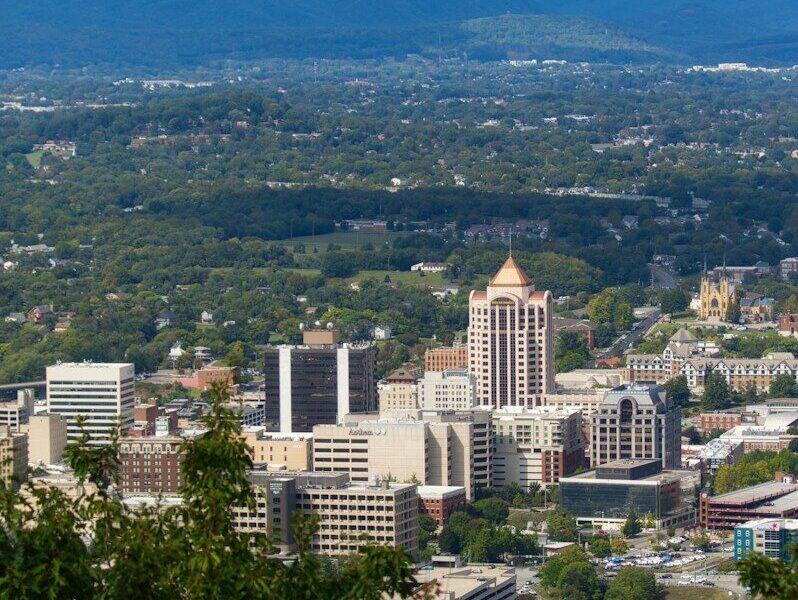
For those looking to settle into or explore the Roanoke, Virginia area, understanding the local economic landscape is key to making your experience both rewarding and sustainable. Beyond the headlines of the “Star City,” there is a nuanced market defined by community-centric spending, high-quality local produce, and hidden gems that offer incredible value.
Roanoke isn’t a city that relies on flashy tourist traps or national chain saturation. Instead, it thrives on walkable neighborhoods, seasonal pop-ups, independent storefronts, and a deeply rooted agricultural tradition. Whether you’re a newcomer, a weekend visitor, or a remote worker exploring relocation options, knowing where and how to spend your money will dramatically improve your quality of life while keeping your budget intact.
Here’s how to navigate the Roanoke market like a local.
1. Master the Farmers Market Scene
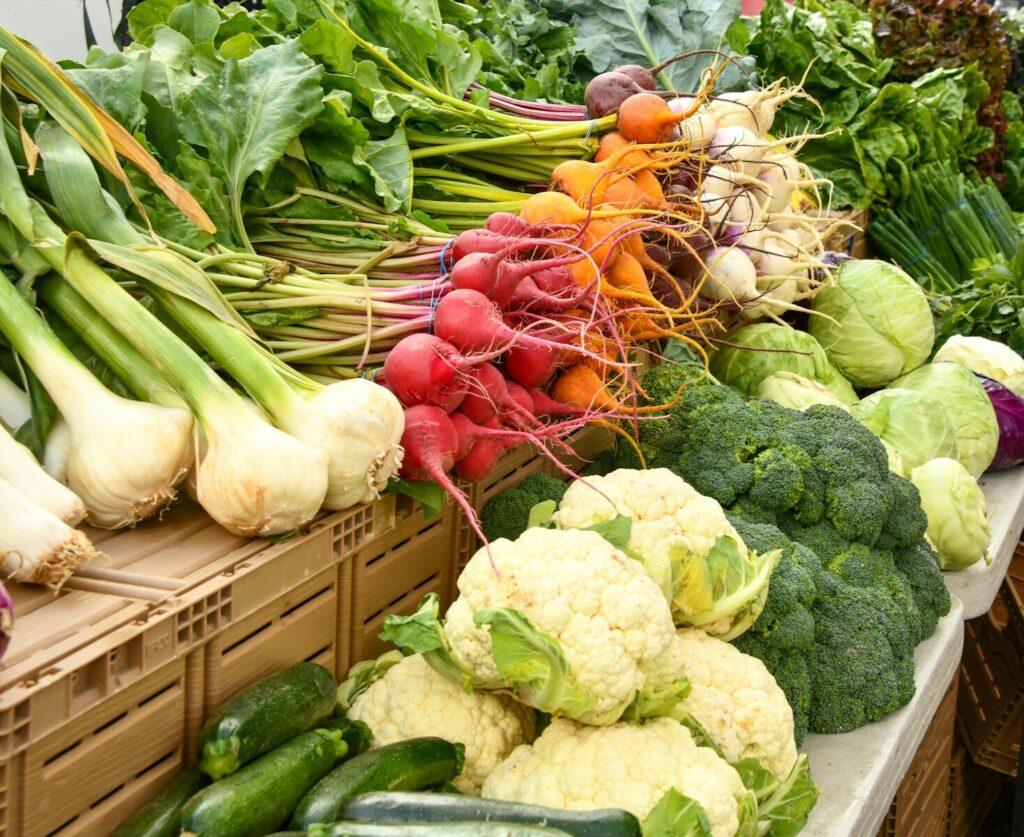
One of the smartest ways to spend in Roanoke is to bypass industrial supply chains and head straight to the source. Supporting local agriculture doesn’t just deliver peak-flavor produce; it keeps your dollars circulating within the regional economy, creating jobs and funding community programs.
📍 Where to Shop
Roanoke County and the City of Roanoke host a robust network of farmers markets. While schedules shift seasonally, these are the consistent heavy hitters:
- Farmers Market at the City Market (Downtown): Open year-round, typically Wednesdays. Features year-round vendors, baked goods, prepared foods, and seasonal produce.
- Cave Spring Farmers Market: Saturdays (May–October). Known for heirloom vegetables, artisan cheeses, honey, and handmade crafts.
- Roanoke Valley Farmers Market (Blacksburg/Christiansburg): Saturdays (April–November). Excellent for bulk buying, CSA pickups, and seasonal staples.
- Salem Farmers Market: Sundays (May–October). A smaller, community-focused market with strong local grower representation.
💡 Smart Spending Tactics
- Go Early, Stay Late: Arrive at opening for the best selection. Stick around closing for “deal baskets” or discounted “seconds” (perfectly edible produce with minor cosmetic flaws).
- Bring Cash & Small Bills: Many independent growers prefer cash and run out of change by mid-morning.
- Ask About CSA Shares: Community Supported Agriculture programs let you buy a seasonal box upfront at a 15–30% discount compared to weekly market prices.
- Track Seasonal Peaks: Strawberries hit in late May, sweet corn in July, apples in September, and root vegetables through November. Buying at peak season means better flavor and lower prices.
| Season | Top Picks | Best Market |
|---|---|---|
| Spring | Asparagus, peas, lettuce, rhubarb | City Market (Wed) |
| Summer | Tomatoes, peaches, corn, berries | Cave Spring (Sat) |
| Fall | Apples, squash, pumpkins, honey | Salem (Sun) |
| Winter | Root veggies, dried goods, crafts | City Market (Wed) |
2. Hunt Down Hidden Gems & Insider Experiences
While many visitors flock to the Roanoke Star or Mill Mountain Park (both free and absolutely worth visiting), the real value in Roanoke lives in its neighborhoods and locally owned spaces. To spend wisely, look for experiences that offer cultural immersion, not just transactional retail.
🗺️ Neighborhoods That Deliver
- Jefferson Street Historic District: Walkable, historic, and packed with indie shops, vintage stores, and specialty grocers. Look for The Little Green Shop (eco-friendly home goods), Bookhounds (curated indie bookstore), and local print shops.
- 4th Street SW (Gainsboro): The heart of Roanoke’s arts scene. Murals, gallery spaces, and weekend pop-up markets make this a prime spot for affordable, one-of-a-kind finds.
- Downtown & Market Square: Beyond the City Market, explore the surrounding blocks for craft breweries, roasteries, and boutique clothing stores that reinvest in downtown revitalization.

🎭 Insider Experiences That Don’t Break the Bank
- Blues on the Green & Art on the Ave: Free, community-driven events that rotate locations. Perfect for sampling local food trucks, live music, and maker markets without entrance fees.
- Roanoke River Park & Trail System: Over 100 miles of trails. Free access, excellent for hiking, kayaking, and wildlife photography. Pack a picnic from a local market for a zero-cost weekend activity.
- Local Brewery & Coffee Roaster Tours: Many spots offer guided tastings or “bean-to-cup” workshops for $10–$20. Supporting these businesses funds local agriculture (hops, coffee, grain) and keeps tourism dollars regional.
3. Smart Spending Strategies That Actually Work
Navigating any city’s market requires a balance of savvy and intentionality. In Roanoke, this means leveraging seasonal rhythms, loyalty ecosystems, and community initiatives.
📊 The Local Economic Multiplier
When you spend $100 at a locally owned business, roughly $48–$68 stays in the community (vs. $14–$35 at national chains). Roanoke’s small business density is rising, with initiatives like the Roanoke Regional Growth Group and Main Street Roanoke offering grants, marketing support, and consumer campaigns to keep dollars local.
🛠️ Actionable Frameworks
- Map Your “Local First” Radius: Identify 3–5 blocks around your home or workplace where you commit to shopping, eating, and booking services locally. This reduces decision fatigue and builds relationships with owners.
- Leverage Loyalty & Discount Programs: Many independent shops run punch cards, email newsletters with exclusive drops, or “shop local” days. Sign up early—Roanoke businesses often reward repeat customers with early access to seasonal inventory.
- Time Your Purchases:
- Apparel/Home Goods: End-of-season clearances (February for winter, July for summer)
- Produce: Late summer/fall for bulk pricing and preservation (canning, freezing, fermenting)
- Services: Book contractors, tutors, or fitness coaches in November–January when demand drops and pricing is more flexible.
- Use Community Tools: Apps like Farmers Market Locator, Roanoke Valley Alliance Business Directory, and Local First Virginia help you filter by category, read reviews, and track seasonal events.

4. Quick-Hit Local Favorites (Eat, Drink, Shop)
| Category | Spot | Why Locals Love It |
|---|---|---|
| Coffee | Covenant Coffee Company | Small-batch roasting, community seating, rotating local pastry partners |
| Brewery | Big Lick Brewing Co. | Historic building, food trucks, seasonal taps, family-friendly patio |
| Grocery | Whole Foods & Local Co-ops | Fresh produce, bulk bins, prepared meals, competitive pricing with loyalty discounts |
| Vintage/Thrift | The Exchange & Local Consignment Shops | Curated inventory, fair trade-in values, sustainable fashion |
| Dining | 4th Street SW & Jefferson St | Farm-to-table menus, chef-driven concepts, affordable prix fixe nights |
5. Understanding Roanoke’s Economic Landscape

Roanoke has rebranded itself from a legacy industrial hub to a mid-sized, innovation-friendly city. The cost of living remains ~15–20% below the national average, with housing, utilities, and transportation notably affordable. This economic stability is largely driven by:
- Healthcare & Education Hubs: Carilion Clinic and Radford University/Virginia Tech (nearby) provide steady employment and attract young professionals.
- Downtown Revitalization: Public-private partnerships have transformed vacant corridors into walkable mixed-use spaces, boosting foot traffic for local retailers.
- Remote Work Migration: Flexible work policies have drawn digital nomads and creatives, increasing demand for co-working spaces, boutique services, and experience-based spending.
What This Means for You: The market is growing, but it’s not saturated. Independent businesses still have room to thrive, and consumers who intentionally support them will enjoy better pricing, personalized service, and first access to new offerings.
Conclusion
Roanoke offers a rich tapestry of opportunities for those who know where to look. By prioritizing farmers markets, seeking out insider experiences, and intentionally supporting local businesses, you can navigate the Roanoke market with ease—finding both incredible value and the hidden gems that make this region unique.
Smart spending here isn’t about cutting corners; it’s about aligning your dollars with community resilience, seasonal abundance, and authentic experiences. Start small: pick one neighborhood, visit one market, and support one independent shop this week. You’ll quickly notice the difference—not just in your wallet, but in how connected you feel to the Star City.

- Online consultations with thousands of verified healthcare providers
- FDA-registered weight loss pills & injectable options available
- Personalized treatment plans tailored to your health profile
- Most affordable option on the market starting at $59/month (annual plan)
❓ Frequently Asked Questions
Q: Are Roanoke farmers markets cash-only?
A: Most accept cards, but bringing cash (especially small bills) speeds up transactions and supports vendors who prefer it. Many also accept EBT/SNAP for eligible items.
Q: What’s the best time of year to visit Roanoke for deals and events?
A: Late summer through early fall (August–October) offers peak produce pricing, harvest festivals, and outdoor events. Winter (January–February) features retail clearances and quieter pricing for services.
Q: How do I verify if a business is truly locally owned?
A: Check the Local First Virginia directory, read “About Us” pages for founder/ownership details, and look for community involvement (sponsoring local teams, donating to charities, hosting workshops).
Q: Is parking expensive in downtown Roanoke?
A: No. Most downtown streets offer free or low-cost parking, and the City Market area has designated lots. Weekend events often include free shuttles or walkable zones.
📚 Sources & Further Reading
- Roanoke Regional Growth Group: Local Business Directory & Economic Indicators
- City of Roanoke Farmers Market Official Calendar & Vendor Guidelines
- Local First Virginia: Community Wealth Building & Economic Multiplier Data
- Roanoke Valley Alliance: Downtown Revitalization & Walkability Reports
- Virginia Cooperative Extension: Seasonal Produce Guides & CSA Resources
Note: Market hours, event dates, and vendor rosters change seasonally. Always verify current schedules via official city or vendor websites before planning your visit.
Ready to explore? Bookmark this guide, save your favorite neighborhoods, and start mapping your Roanoke spending strategy. The best deals aren’t hidden—they’re just waiting for you to show up locally. 🌲✨

Leave a Reply