


I. Introduction: Breaking the Barrier

Many people believe that building a meaningful investment portfolio requires a substantial lump sum or advanced financial expertise. This is a pervasive misconception that keeps millions of potential investors on the sidelines. The reality is that consistent, modest contributions can compound into substantial wealth over time. By committing just $100 a month, you unlock the power of Dollar Cost Averaging (DCA)—a proven strategy that involves investing a fixed amount at regular intervals regardless of market conditions. Over time, DCA smooths out price volatility, allowing you to purchase more shares when prices dip and fewer when they rise, effectively lowering your average cost per share. The objective isn’t to chase quick returns; it’s to build a diversified, automated portfolio that leverages compounding interest and dividend reinvestment to grow steadily year after year.
II. Preparation: The Financial Foundation

Before deploying capital into the markets, establish a secure financial baseline to protect your long-term goals.
- Emergency Fund First: Financial experts universally recommend maintaining 3–6 months of essential living expenses in a high-yield savings account. This liquidity buffer ensures that unexpected expenses, medical bills, or job transitions won’t force you to liquidate investments at an inopportune time.
- High-Interest Debt Check: Evaluate any outstanding high-interest debt, particularly credit cards. Paying off a balance carrying 18–25% interest offers a mathematically guaranteed return that historically outperforms broad market averages. Tackling this debt first is often the most efficient step toward net worth growth.
- Defining Your Timeline: Your investment strategy should align with your financial goals. Retirement planning spans decades and can accommodate higher risk, while a short-term goal like a home down payment or wedding requires a more conservative, capital-preserving approach. Clarifying your timeline dictates your risk tolerance and asset allocation.
III. Choosing the Right Investment Vehicles
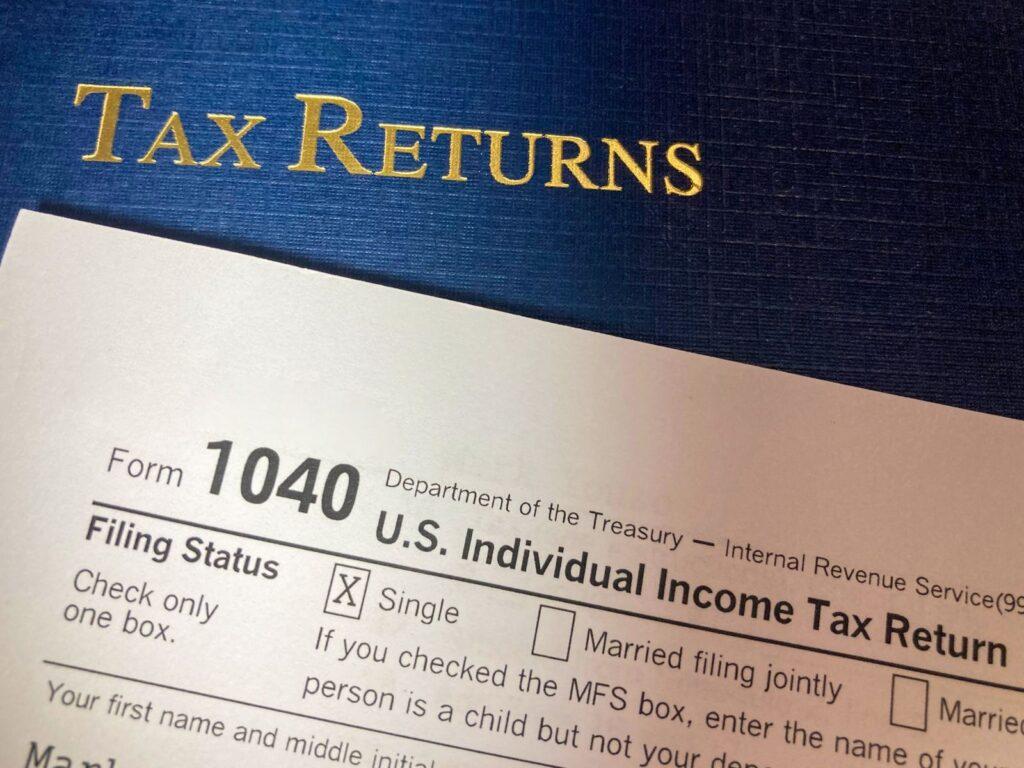
Once your foundation is secure, select the account type that best matches your goals and liquidity needs.
- Brokerage Accounts vs. Tax-Advantaged Accounts: For long-term retirement growth, consider a Roth IRA or Traditional IRA. Roth IRAs are particularly advantageous for younger investors, as contributions are made with after-tax dollars, allowing all future growth and qualified withdrawals to be completely tax-free. Traditional IRAs offer upfront tax deductions but tax withdrawals in retirement. For goals outside of retirement, a standard taxable brokerage account provides maximum flexibility, no contribution limits, and access to your funds at any time.
- Robo-Advisors: For investors managing a $100 monthly budget, robo-advisors are an ideal entry point. These automated digital platforms use algorithms to build and manage a diversified portfolio tailored to your risk profile. They handle asset allocation, automatic rebalancing, and tax-loss harvesting with minimal fees, removing the guesswork from portfolio management.
- Fractional Shares: Modern brokerage platforms have democratized investing by offering fractional shares. This feature allows you to invest any dollar amount into expensive ETFs or blue-chip stocks. Instead of being limited to whole shares, you can allocate your full $100 across multiple assets, ensuring immediate diversification from day one.

Invest Smarter with AI: A Practical Guide to Long-Term Investing, Financial Planning, and Building Wealth
Stop using AI like a shortcut. Start using it like a serious investor. This evidence-based framework shows you how to combine artificial intelligence with disciplined, long-term investing principles to build wealth with clarity and confidence.
- Turn financial goals into a clear investment plan
- Build a disciplined, diversified portfolio
- Use practical AI prompts to strengthen decision-making
- Strengthen retirement planning & long-term wealth strategy
- Identify which investing decisions should never be automated
As an Amazon Associate, I earn from qualifying purchases. Price and availability may vary.
IV. Portfolio Construction Strategies

Simplicity and diversification are the cornerstones of successful long-term investing.
- The “Set It and Forget It” Approach: Rather than attempting to pick winning individual stocks, beginners should focus on broad-market Index Funds and ETFs. Funds tracking the S&P 500 or the Total U.S. Stock Market provide instant exposure to hundreds or thousands of companies. This approach drastically reduces single-company risk while capturing the overall growth of the economy.
- Diversification Basics: True diversification extends beyond stock selection. Spread your capital across different economic sectors (technology, healthcare, consumer staples, industrials) and geographies (U.S. and international developed/emerging markets). When one sector underperforms, others may rise, smoothing out portfolio volatility.
- Asset Allocation: Determine the right mix of growth-oriented assets (stocks) and stability-oriented assets (bonds/cash) based on your age and risk tolerance. A common baseline is to allocate a higher percentage to stocks when you’re younger, gradually shifting toward bonds as your target date approaches. This strategic allocation ensures your portfolio remains aligned with your comfort level and financial timeline.
V. Execution: Making it Automatic

The greatest barrier to wealth building isn’t market performance; it’s human behavior. Consistency beats timing.
- Automating the Contribution: Set up a recurring monthly transfer of $100 from your checking account to your investment account. Schedule it to occur immediately after payday. This behavioral trick ensures the money is invested before you have the opportunity to spend it, treating your portfolio contribution like a non-negotiable bill.
- Dividend Reinvestment Plans (DRIPs): Enable automatic dividend reinvestment on all eligible holdings. Instead of receiving cash payouts, your dividends will automatically purchase additional fractional shares. Over decades, this creates a powerful compounding snowball effect, where your returns generate their own returns, significantly accelerating portfolio growth without requiring additional monthly contributions.
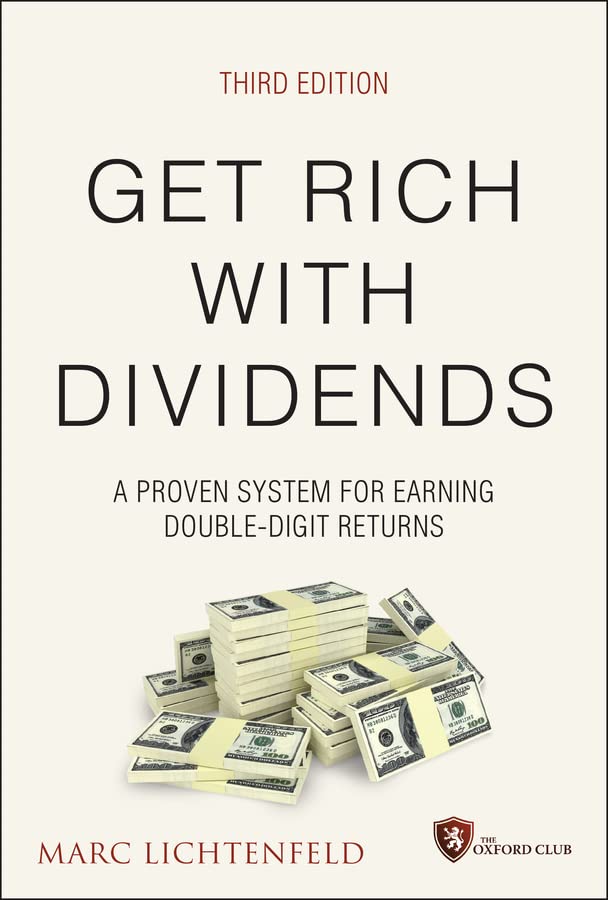
VI. Conclusion & Call to Action

Building a robust investment portfolio doesn’t require a windfall, a finance degree, or waiting for the “perfect” market conditions. By committing just $100 a month, you harness the mathematical advantages of Dollar Cost Averaging, automate your wealth-building process, and give time the opportunity to work its magic. Waiting to save a larger lump sum often means missing out on years of compounding growth that could define your financial future.
Your Next Steps:
- Open a Roth IRA or standard brokerage account with a reputable, low-fee platform.
- Link your checking account and set up a recurring $100 monthly transfer.
- Choose a broad-market ETF or let a robo-advisor build your initial allocation.
- Enable DRIPs and step back.
Start today. Your future self will thank you for the discipline you show this week.
Sources:
- [1] MoneyRates: How to Start Investing With $100 or Less in 2026




Leave a Reply