


I. Introduction

In today’s financial landscape, having a good credit score is more important than ever. Your credit score affects almost every aspect of your financial life, from securing a mortgage for your dream home to getting approved for a car loan, and even influencing your insurance premiums and job prospects. For individuals who are new to credit—such as recent immigrants, young adults, or those who have been “credit invisible” for various reasons—building a credit score from scratch can seem daunting. This guide is designed to demystify the process and provide a clear roadmap for establishing a strong credit history.
The Importance of Credit

A credit score is a numerical representation of your creditworthiness, used by lenders to assess the risk of lending you money. It plays a crucial role in determining:
- Housing: Mortgage rates and approvals.
- Auto Loans: Interest rates and loan terms.
- Insurance Premiums: Lower rates for auto, home, and life insurance.
- Employment Opportunities: Some employers check credit reports as part of the hiring process.
Demystifying the “Score”
A credit score is a three-digit number that ranges from 300 to 850. It is calculated based on various factors that reflect your credit behavior. The higher your score, the more likely you are to be approved for loans and credit cards, and the better the terms you will receive. Essentially, it is a lender’s measure of risk.
Who This Guide Is For
This guide is specifically tailored for:
- Individuals with no credit history (“credit invisible”).
- Recent immigrants to the United States.
- Young adults who are just starting their financial journey.
II. Understanding the Fundamentals

Credit Bureaus vs. Credit Scores
Credit Bureaus:
- Equifax
- Experian
- TransUnion
These are the three major credit bureaus that collect and maintain your credit information. They compile data from lenders, credit card issuers, and other sources to create your credit report.
Credit Scores:
- FICO Score
- VantageScore
These are the scoring models used to calculate your credit score based on the information in your credit report. The most widely used model is the FICO score, but VantageScore is also gaining popularity.
The Anatomy of a Score
Your credit score is determined by several factors, each with a different weight:
- Payment History (35%): This is the most important factor. It reflects how consistently you pay your bills on time.
- Credit Utilization (30%): This measures how much of your available credit you are using. Lower utilization is better.
- Length of Credit History (15%): The longer your credit history, the better.
- Types of Credit (10%): A mix of different types of credit (e.g., credit cards, loans) can improve your score.
- New Credit Inquiries (10%): Opening too many new accounts in a short period can negatively impact your score.
III. Phase 1: The “Jumpstart” Strategies (Getting on the Map)
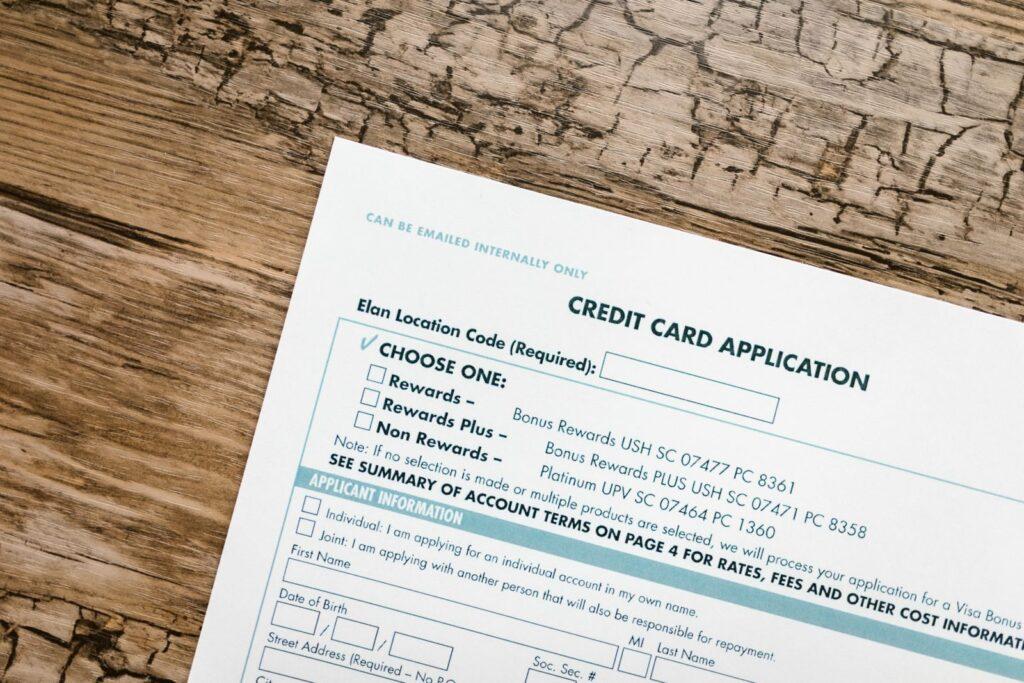
Secured Credit Cards
A secured credit card requires a deposit that serves as your credit limit. This is a safe and effective way to build credit because it minimizes the risk of overspending and defaulting. Make small purchases each month and pay off the balance in full to start building a positive payment history.
Authorized User Status
Being added as an authorized user on a parent’s or spouse’s credit card can help you piggyback on their established credit history. Ensure that the primary cardholder has a good payment history and low utilization.
Credit Builder Loans
These are small-dollar loans designed to help you build credit. The money is held in a savings account while you make monthly payments. Once the loan is paid off, you receive the money, and your on-time payments are reported to the credit bureaus.
IV. Phase 2: The Growth Strategy (Building the Foundation)

The “Small Spend” Rule
Use a credit card for recurring, small expenses like a streaming subscription or a monthly bill. Pay off the balance in full every month to build a positive payment history without accruing interest.
Mastering Credit Utilization
Keep your credit utilization below 30% of your credit limit. Ideally, aim for less than 10% to maximize score growth. For example, if your credit limit is $1,000, try to keep your balance below $100.
Diversifying Credit Types
Introduce a mix of credit types to your profile, such as a revolving credit card and an installment loan. This shows lenders that you can manage different types of credit responsibly.

V. Phase 3: Maintenance and Habits

The Golden Rule of Payments
Never miss a payment. Even a single late payment can significantly damage your credit score, especially when you are just starting out.
Monitoring Your Report
Use free tools like Credit Karma or AnnualCreditReport.com to regularly check your credit report for errors or signs of identity theft. Ensure that all information is accurate and up-to-date.
Avoiding “Hard Inquiries”
Be cautious about applying for too many credit cards or loans at once. Each application results in a hard inquiry, which can temporarily lower your score. Focus on building credit with a few key accounts first.
VI. Common Pitfalls to Avoid
Closing Old Accounts
Keep old accounts open, even if you don’t use them. The length of your credit history is an important factor, and closing old accounts can shorten it.
Maxing Out Cards
Avoid maxing out your credit cards. High utilization can significantly lower your score and make it harder to qualify for future credit.
The “Instant Gratification” Trap
Building credit takes time and consistency. Don’t expect to see a dramatic improvement in your score overnight. Stick to good credit habits, and you will see progress over time.

VII. Conclusion & Timeline Expectations

Setting Realistic Goals
- First 6 Months: You should see some initial improvements in your credit score as you establish a payment history and keep your utilization low.
- First Year: With consistent good habits, you can expect to see a significant increase in your credit score, potentially reaching the “good” range (670-739).
Final Checklist
- Apply for one secured credit card today.
- Set up automatic payments to ensure you never miss a due date.
- Monitor your credit report regularly.
- Diversify your credit types over time.
- Maintain low credit utilization.
Building a credit score from scratch is a journey, but with the right strategies and consistent effort, you can achieve a strong credit profile that opens doors to financial opportunities.
Sources Used:
- How To Build Credit From Scratch in 2026: Step-By-Step Complete Guide (YouTube)
- How to Build a Good Credit Score Fast [2026 Guide] (Brave/General Web Search)

Leave a Reply