

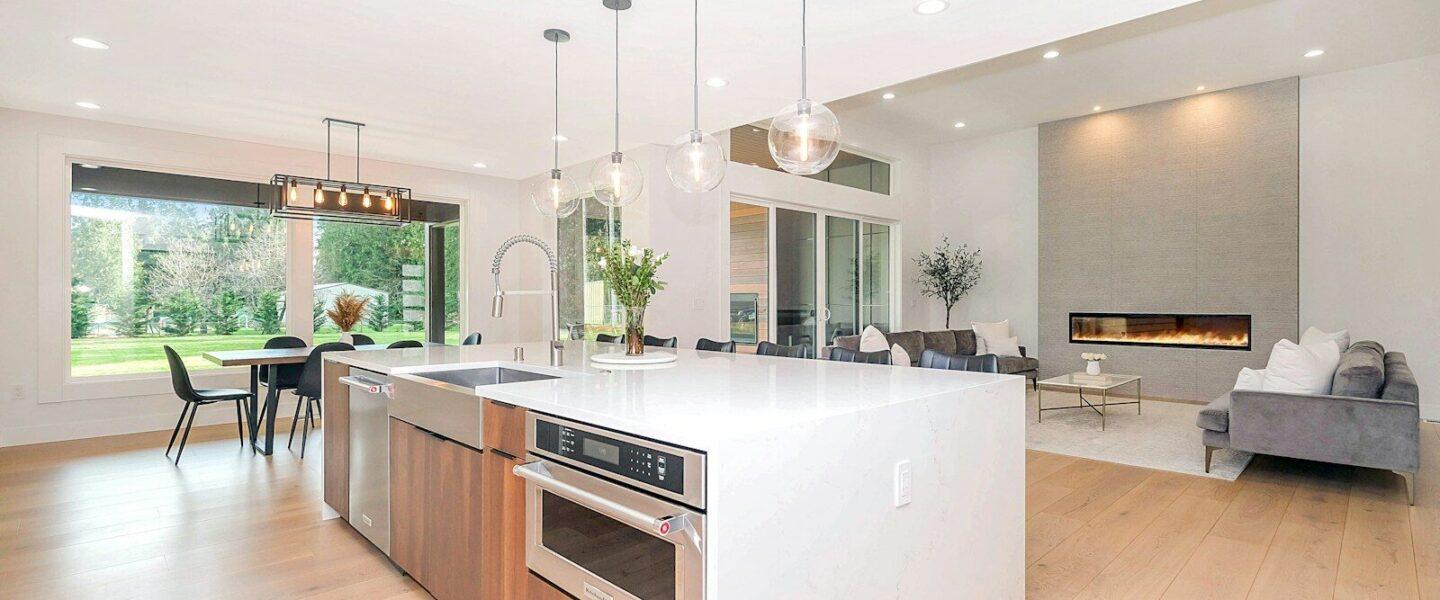
The Art of Disappearing: The Rise of the “Invisible” Kitchen
In the world of modern interior design, the ultimate luxury is no longer about what you can see—it’s about what you can’t. As we move further into 2026, a significant shift in culinary aesthetics has emerged: the “Invisible” Kitchen. This movement seeks to strip away the visual clutter of traditional appliances, replacing bulky machines with high-tech solutions that blend perfectly into the home’s architecture.
Seamless Integration: Beyond Built-ins
While “built-in” appliances have been a staple of high-end homes for decades, the invisible kitchen takes this a step further. It’s about concealment through material continuity. Instead of a stainless steel refrigerator standing against a wall, modern homeowners are opting for smart fridges hidden behind custom wood panels or stone facades that match the rest of the cabinetry perfectly. These units utilize “push-to-open” mechanisms and integrated sensors to ensure that when not in use, they appear as nothing more than a seamless wall of texture.
Hidden Induction: The Vanishing Cooktop
One of the most striking innovations in this space is hidden induction technology. Unlike traditional gas ranges or even standard glass cooktops, new high-tech surfaces are being installed underneath stone countertops like marble or quartz. These “invisible” hobs use electromagnetic fields to heat cookware through a thin layer of material, allowing for a completely flat surface that can be used as an extra workspace when cooking is finished. It eliminates the visual break in a kitchen island, maintaining a pure, minimalist flow.
Smart Technology, Silent Presence
The intelligence behind these invisible appliances is what makes them functional rather than just decorative. Modern “invisible” kitchens utilize:
- Voice and Gesture Control: Allowing users to operate hidden ovens or wine coolers without needing visible buttons.
- Smart Inventory Management: Fridges that track expiration dates and suggest recipes, all while remaining hidden behind a sleek facade.
- Automated Ventilation: Integrated systems that activate only when sensors detect heat or steam, removing the need for bulky overhead hoods.
Why Minimalism is Winning
The drive toward invisible kitchens is fueled by two primary desires: aesthetics and mindfulness. In a world saturated with screens and notifications, many homeowners want their living spaces to feel like a sanctuary—a place of calm. By hiding the “work” of the kitchen (the appliances and tools), the room becomes a space for gathering, conversation, and effortless beauty.
Conclusion
The invisible kitchen proves that high technology doesn’t have to be loud or visually intrusive. By marrying advanced engineering with minimalist design principles, we are entering an era where the smartest home is the one that feels the most natural. In the invisible kitchen, the technology serves the lifestyle, disappearing into the background to let the experience of the home take center stage.

Hire Top Freelance Talent
Upwork connects businesses with freelancers, independent talent, and agencies around the globe.
Find Talent Now



Leave a Reply