

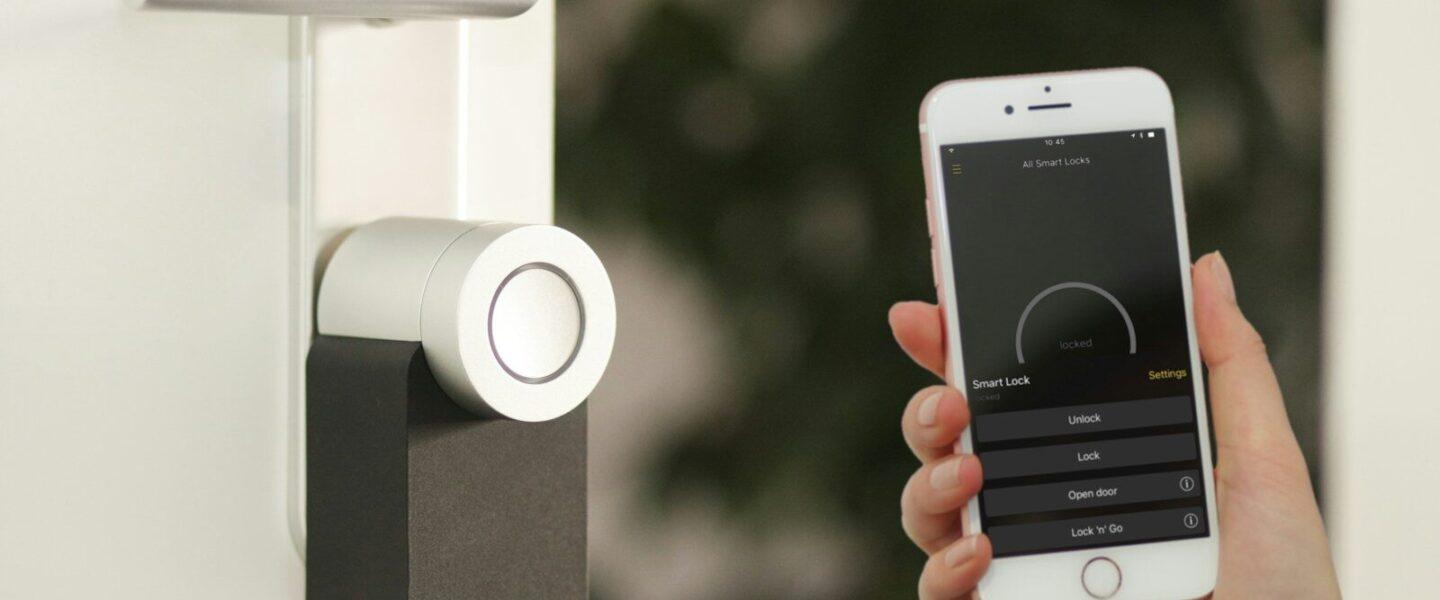
As we move deeper into 2026, the boundaries between our physical living environments and our digital professional lives are dissolving. The shift from traditional “remote work” (working from a laptop in a room) to “spatial computing” (immersing oneself within a digital workspace that occupies physical space) is redefining the modern office. At the heart of this revolution lies a critical, often overlooked backbone: Smart Home Interoperability.
The Shift to Spatial Computing
Spatial computing—driven by advancements in VR (Virtual Reality) and AR (Augmented Reality)—allows users to interact with digital objects as if they were physically present. Unlike traditional video conferencing, spatial workspaces provide a sense of “presence.”
Recent developments, such as the Pico Project Swan XR, signal a definitive shift away from gaming-centric VR toward dedicated spatial workspaces [1]. These environments allow remote workers to:
- Co-locate Virtually: Work alongside digital avatars or shared holographic projections.
- Infinite Canvas: Access unlimited “virtual monitors” that can be placed anywhere in the room.
- Contextual Interaction: Manipulate 3D models and data visualizations with hand tracking and spatial audio.
The Role of Smart Home Interoperability
For a spatial workspace to be truly effective, it cannot exist in a vacuum. It must be integrated into the user’s physical environment—a concept known as smart home interoperability. This is where your smart thermostat, lighting system, and automated blinds become essential coworkers.
- Adaptive Environments: In a high-fidelity VR workspace, sensory consistency is key. Interoperable systems can automatically dim the lights and adjust the room temperature to match the “mood” of a virtual environment—for example, cooling the room when entering a simulated outdoor site or brightening it for a collaborative brainstorming session.
- Seamless Transitions: Through unified protocols (like Matter), your smart home can detect when you enter a “Work Mode” in your headset. It can automatically silence notifications on physical devices, lock out distractions, and optimize the acoustics of the room to improve spatial audio clarity.
- Biometric Feedback & Comfort: Next-gen headsets are increasingly monitoring user fatigue and posture. An interoperable home can respond by suggesting a “movement break,” adjusting the ergonomic height of a smart desk, or shifting the lighting spectrum to reduce eye strain during long sessions.
Challenges and the Path Forward
While the technology is accelerating, two main hurdles remain: Latency and Standardization. For spatial computing to feel natural, the connection between your headset, your local network, and your smart home devices must be instantaneous.
The industry is moving toward a “Unified Spatial Layer,” where the distinction between an app on your phone, a device in your house, and a window in your VR headset disappears. We are no longer just “logging on” to work; we are stepping into it.
Conclusion
The future of remote work isn’t a better video call—it’s a smarter room. By leveraging smart home interoperability, spatial computing transforms our homes from mere locations where we work into dynamic, responsive workspaces that adapt to our needs in real-time. The office of the future isn’t a place you go; it’s a space you inhabit.

Design Your Dream Home in 3D
Coohom is a professional 3D home design software that empowers users to create high-quality interior renderings, floor plans, and virtual walkthroughs.
Try Coohom Free
Leave a Reply